
The Ultimate Home Buyer’s Guide: A Home Inspector’s Expert Tips and Insights
Buying a home is a significant investment and an exciting journey. When buying a house, a thorough home inspection can save you thousands of dollars in unexpected repairs — or from unwittingly buying a money pit. As a home inspector with years of experience, I understand the importance of making an informed decision when purchasing a property. In this comprehensive guide, I’ll share a home inspector’s expert tips and insights to help you navigate the home buying process confidently.
Choosing the Right Home Inspector: What to Look For
As it’s important for you to know all the issues a house you want to buy may have, a home inspector is crucial in the home buying process. Choosing the right inspector – one who is reputable and well-qualified is one of the most important decisions you need to make before buying your new home. You want an inspector who has experience, certifications, and great client reviews. But, how do you find this person?
Your real estate agent might offer to give you some home inspectors’ names. He/She may be perfectly well-meaning but the references present a conflict of interest. As Kevin Brasler, of Consumers’ Checkbook, an independent nonprofit advocacy group advises, “Unless you deeply trust your agent, find your own inspector.” By choosing your own home inspector you’re assured that they will be working in your best interest.
To find a reputable inspector, first ask friends who have recently purchased a home whether they would recommend the person they used. You can also find referrals through local online communities such as NextDoor or Patch, as well as a national review site like Angi that specializes in rating contractors. Other resources to find inspectors include professional organizations such as the American Society of Home Inspectors (ASHI), the International Association of Certified Home Inspectors (InterNACHI), and the National Academy of Building Inspection Engineers, which certifies professional engineers and architects who perform home inspections.
Once you’ve found a few candidates, search online to see whether there have been any complaints about them. In addition to professional certifications, look for someone who has been in the field inspecting homes for at least several years. They are more likely to have seen a variety of home types and a broad range of home issues.
Understanding the Home Inspection Process: What to Expect
A home inspection is a visual assessment of a house’s physical structure and mechanical systems, including the roof, ceilings, walls, floors, windows and doors. The goal of a home inspection is to uncover issues with the home itself. A home inspector will take several hours to complete a detailed walk-through of the home you’re looking to buy. During that time, the inspector will take notes and pictures and, if you’re tagging along (and you should be there!), comment on what they see.
The inspector will check that major appliances are functional, scrutinize the heating and air-conditioning system, examine the plumbing and electrical systems and poke around in the attic and basement. Most importantly, the inspector will provide an objective opinion on the home’s condition, detached from the emotional rollercoaster you’ve been on during the home buying process.
Remember, the goal of a home inspection is to uncover issues with the home itself. Inspectors won’t tell you if you’re getting a good deal on the home or offer an opinion on the sale price. If the inspection reveals major flaws, such as termites, roof leaks, broken heating systems, or anything else that requires extensive repair, you have three options: walk away, bargain with the seller, or accept the findings and proceed with the transaction.
Red Flags to Watch for During a Home Inspection
There are some common issues that may arise during a home inspection, as well as potential deal-breakers such as foundation problems, electrical issues, mold, and other significant defects that could impact the home’s safety and value. Here’s a list of some of these issues to watch out for during the inspection. While this list is by no means comprehensive, it does cover the majority of red flag issues that home buyers may encounter.
- Electric Issues – Each year, about 51,000 home fires are ignited by electrical faults, so it’s natural for home inspectors to scrutinize a home’s electrical system to ensure that everything appears to be in working order. Electrical inspectors frequently discover fraying insulation, do-it-yourself wiring, misaligned wires, and over-fusing.
- Plumbing Issues – Plumbing issues and leaking pipes are common reasons for a home inspection to fail. These problems might be as straightforward as a slow drain or a leaking faucet, or they can be more complicated, such as cross-connection problems (where water from another source contaminates domestic water). Sometimes, pipes will have to be replaced altogether. Plumbing is a major source of concern because if a hidden leak is left unattended, it can result in mold spreading throughout the home.
- Foundation Issues – The inspector may observe sagging floors, stuck windows and doors, or even doors that swing in just one way when left ajar. Foundation cracks can be caused by a variety of other major problems. Repairing a home’s foundation is expensive, and underlying issues may aggravate existing foundation worries over time. Aside from drainage issues and sinking soil, foundations may crack as a result of the following: Tree roots encroaching on the foundation; settlement on a differential basis (with only part of the foundation shifting); the addition of a secondary story without original footing reinforcing.
- Older Windows – The most noticeable indications are leaks, failed seals and cracked glass. A faulty window seal is easy to see on double-paned windows because the glass panes have signs of condensation between them. The seals preserve an air pocket between the panes, forming a thermal barricade that impacts a window’s energy efficiency. Seal failure will cause moisture to seep between the panes and condense upon temperature changes. caulking failures or broken windows or window trim might result in leaks.
- Roofing Issues – In case of roof leaks, the home is susceptible to a wide range of problems.
- Home inspectors will check to confirm that the shingles and flashing are in good order, that they are installed properly, and that there are no visible signs of water damage. As roof repairs are among the most expensive repairs, many homebuyers would walk away from the sale if the house has roofing problems.
- Drainage Problems – The inspector might notice spongy earth around the home’s foundation and basement leaks. This problem is often related to water damage, associated with incorrectly graded homes that stop water from draining properly. Other situations related to drainage can lead to a variety of worries around the house such as when the terrain surrounding the home slopes down toward the house. This could lead to wet crawl spaces, foundation movement, or foundation cracking. Should water wick up the house’s foundation, it can cause rot and mold in the walls.
- Wood Rot – While the inspector is walking through the house, they will look for any exposed wood. They will inspect the wood to confirm it hasn’t been damaged by mold or termites. Inspectors will also look for wood rot caused by age and dampness as well as inspect the outside door jambs, roof, windows, and any wooden constructions, such as a deck or stairwell.
- Mold – Exposure to mold can lead to a range of health problems, including skin irritations and respiratory issues. Mold is not always visible or has that unmistakable musty odor, which makes it more difficult to locate. Whenever there are wet materials and symptoms of a leak, mold can grow. If left unhindered it could attract termites who will tunnel through beams, walls, and sometimes into areas that are not obvious to the inspector.
Beyond the Inspection: Uncovering Hidden Home Hazards
While a good inspector will have a sharp eye for detail, they won’t be able to detect what they can’t see. What that means is that hidden pests, asbestos, lead paint, radon, mold or other potentially hazardous substances might go unnoticed.
All of these things can be tested for but, generally speaking, they won’t be covered by a standard inspection. For an extra fee a reputable home inspector can test for these hidden hazards. Areas that aren’t easily accessible, like the septic tank, won’t be covered by the inspection, either. Those types of issues can require specialized evaluations.
What to Expect in a Home Inspection Report
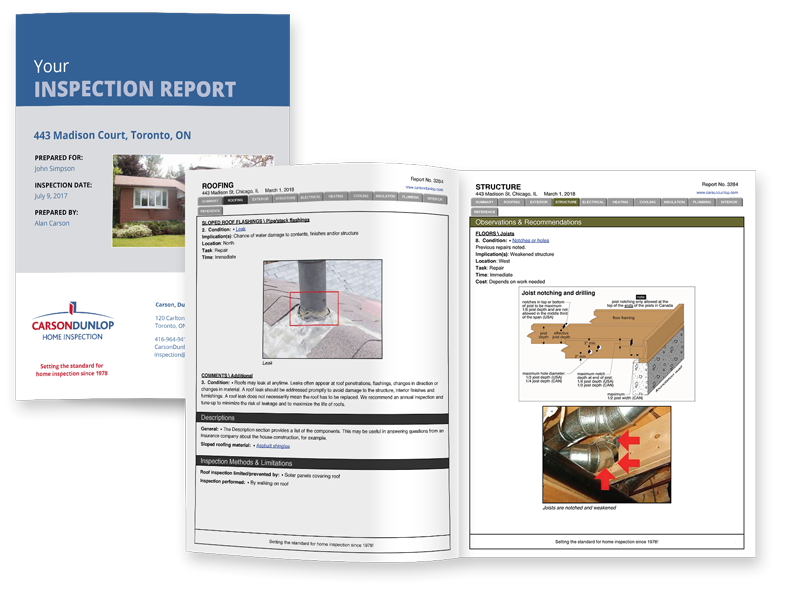
A good home inspection report is extensive. It will contain checklists, summaries, photographs and notes. It will give an estimate of the remaining useful life of major systems and equipment, as well as that of the roof, structure, paint and finishes. It will also include critical information related to recommended repairs and replacements.
Conclusion
An inspection is not a pass-fail exam. No fixes are mandatory after a home inspection, though it may uncover issues that prompt further negotiations with the seller. You’ll learn much about the home and gain confidence in the decision to buy your new home, or discover enough problems to pass on the purchase.
Armed with this home inspector’s expert tips and insights you can confidently embark on your journey to find the perfect home. Remember, investing time and effort in the home inspection process today will lead to a more secure and satisfying homeownership experience in the future.
Let’s connect if you need a home inspection. Happy house hunting!

Leave a Reply
Want to join the discussion?Feel free to contribute!