CMS Home Inspection
  • Welcome
  • Your Inspection
    • Pest Inspections
    • Radon Testing
    • Mold Testing
    • Septic Inspections
    • Sewer Scope Inspections
    • Well Inspections
  • Your Report
  • Pricing
  • About
  • For Agents
  • Blog
  • Contact
  • Menu Menu
home buying, home inspection, home maintenance, Massachusetts, real estate, Rhode Island

The Ultimate Home Buyer’s Guide: A Home Inspector’s Expert Tips and Insights

Buying a home is a significant investment and an exciting journey. When buying a house, a thorough home inspection can save you thousands of dollars in unexpected repairs — or from unwittingly buying a money pit. As a home inspector with years of experience, I understand the importance of making an informed decision when purchasing a property. In this comprehensive guide, I’ll share a home inspector’s expert tips and insights to help you navigate the home buying process confidently.

Choosing the Right Home Inspector: What to Look For

As it’s important for you to know all the issues a house you want to buy may have, a home inspector is crucial in the home buying process. Choosing the right inspector – one who is reputable and well-qualified is one of the most important decisions you need to make before buying your new home. You want an inspector who has experience, certifications, and great client reviews. But, how do you find this person?

Your real estate agent might offer to give you some home inspectors’ names. He/She may be perfectly well-meaning but the references present a conflict of interest. As Kevin Brasler, of Consumers’ Checkbook, an independent nonprofit advocacy group advises, “Unless you deeply trust your agent, find your own inspector.” By choosing your own home inspector you’re assured that they will be working in your best interest.

To find a reputable inspector, first ask friends who have recently purchased a home whether they would recommend the person they used. You can also find referrals through local online communities such as NextDoor or Patch, as well as a national review site like Angi that specializes in rating contractors. Other resources to find inspectors include professional organizations such as the American Society of Home Inspectors (ASHI), the International Association of Certified Home Inspectors (InterNACHI), and the National Academy of Building Inspection Engineers, which certifies professional engineers and architects who perform home inspections.

Once you’ve found a few candidates, search online to see whether there have been any complaints about them. In addition to professional certifications, look for someone who has been in the field inspecting homes for at least several years. They are more likely to have seen a variety of home types and a broad range of home issues.

Understanding the Home Inspection Process: What to Expect

A home inspection is a visual assessment of a house’s physical structure and mechanical systems, including the roof, ceilings, walls, floors, windows and doors. The goal of a home inspection is to uncover issues with the home itself. A home inspector will take several hours to complete a detailed walk-through of the home you’re looking to buy. During that time, the inspector will take notes and pictures and, if you’re tagging along (and you should be there!), comment on what they see.

The inspector will check that major appliances are functional, scrutinize the heating and air-conditioning system, examine the plumbing and electrical systems and poke around in the attic and basement. Most importantly, the inspector will provide an objective opinion on the home’s condition, detached from the emotional rollercoaster you’ve been on during the home buying process.

Remember, the goal of a home inspection is to uncover issues with the home itself. Inspectors won’t tell you if you’re getting a good deal on the home or offer an opinion on the sale price. If the inspection reveals major flaws, such as termites, roof leaks, broken heating systems, or anything else that requires extensive repair, you have three options: walk away, bargain with the seller, or accept the findings and proceed with the transaction.

Red Flags to Watch for During a Home Inspection

There are some common issues that may arise during a home inspection, as well as potential deal-breakers such as foundation problems, electrical issues, mold, and other significant defects that could impact the home’s safety and value. Here’s a list of some of these issues to watch out for during the inspection. While this list is by no means comprehensive, it does cover the majority of red flag issues that home buyers may encounter.

  • Electric Issues – Each year, about 51,000 home fires are ignited by electrical faults, so it’s natural for home inspectors to scrutinize a home’s electrical system to ensure that everything appears to be in working order. Electrical inspectors frequently discover fraying insulation, do-it-yourself wiring, misaligned wires, and over-fusing.
  • Plumbing Issues – Plumbing issues and leaking pipes are common reasons for a home inspection to fail. These problems might be as straightforward as a slow drain or a leaking faucet, or they can be more complicated, such as cross-connection problems (where water from another source contaminates domestic water). Sometimes, pipes will have to be replaced altogether. Plumbing is a major source of concern because if a hidden leak is left unattended, it can result in mold spreading throughout the home.
  • Foundation Issues – The inspector may observe sagging floors, stuck windows and doors, or even doors that swing in just one way when left ajar. Foundation cracks can be caused by a variety of other major problems. Repairing a home’s foundation is expensive, and underlying issues may aggravate existing foundation worries over time. Aside from drainage issues and sinking soil, foundations may crack as a result of the following: Tree roots encroaching on the foundation; settlement on a differential basis (with only part of the foundation shifting); the addition of a secondary story without original footing reinforcing.
  • Older Windows – The most noticeable indications are leaks, failed seals and cracked glass. A faulty window seal is easy to see on double-paned windows because the glass panes have signs of condensation between them. The seals preserve an air pocket between the panes, forming a thermal barricade that impacts a window’s energy efficiency. Seal failure will cause moisture to seep between the panes and condense upon temperature changes. caulking failures or broken windows or window trim might result in leaks.
  • Roofing Issues – In case of roof leaks, the home is susceptible to a wide range of problems.
  • Home inspectors will check to confirm that the shingles and flashing are in good order, that they are installed properly, and that there are no visible signs of water damage. As roof repairs are among the most expensive repairs, many homebuyers would walk away from the sale if the house has roofing problems.
  • Drainage Problems – The inspector might notice spongy earth around the home’s foundation and basement leaks. This problem is often related to water damage, associated with incorrectly graded homes that stop water from draining properly. Other situations related to drainage can lead to a variety of worries around the house such as when the terrain surrounding the home slopes down toward the house. This could lead to wet crawl spaces, foundation movement, or foundation cracking. Should water wick up the house’s foundation, it can cause rot and mold in the walls.
  • Wood Rot – While the inspector is walking through the house, they will look for any exposed wood. They will inspect the wood to confirm it hasn’t been damaged by mold or termites. Inspectors will also look for wood rot caused by age and dampness as well as inspect the outside door jambs, roof, windows, and any wooden constructions, such as a deck or stairwell.
  • Mold – Exposure to mold can lead to a range of health problems, including skin irritations and respiratory issues. Mold is not always visible or has that unmistakable musty odor, which makes it more difficult to locate. Whenever there are wet materials and symptoms of a leak, mold can grow. If left unhindered it could attract termites who will tunnel through beams, walls, and sometimes into areas that are not obvious to the inspector.

Beyond the Inspection: Uncovering Hidden Home Hazards

While a good inspector will have a sharp eye for detail, they won’t be able to detect what they can’t see. What that means is that hidden pests, asbestos, lead paint, radon, mold or other potentially hazardous substances might go unnoticed.

All of these things can be tested for but, generally speaking, they won’t be covered by a standard inspection. For an extra fee a reputable home inspector can test for these hidden hazards. Areas that aren’t easily accessible, like the septic tank, won’t be covered by the inspection, either. Those types of issues can require specialized evaluations.

What to Expect in a Home Inspection Report

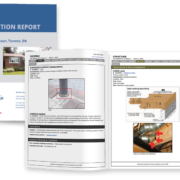
A good home inspection report is extensive. It will contain checklists, summaries, photographs and notes. It will give an estimate of the remaining useful life of major systems and equipment, as well as that of the roof, structure, paint and finishes. It will also include critical information related to recommended repairs and replacements.

Conclusion

An inspection is not a pass-fail exam. No fixes are mandatory after a home inspection, though it may uncover issues that prompt further negotiations with the seller. You’ll learn much about the home and gain confidence in the decision to buy your new home, or discover enough problems to pass on the purchase.

Armed with this home inspector’s expert tips and insights you can confidently embark on your journey to find the perfect home. Remember, investing time and effort in the home inspection process today will lead to a more secure and satisfying homeownership experience in the future.

Let’s connect if you need a home inspection. Happy house hunting!

March 5, 2026/0 Comments/by cmshome
https://www.cmshomeinspection.com/wp-content/uploads/sites/17/2026/03/Home-Inspection-Report-Sample-2.png 594 800 cmshome https://d1g9724afgpznt.cloudfront.net/wp-content/uploads/sites/17/2020/05/04205003/cmshome-252x300.png cmshome2026-03-05 13:17:042026-03-05 13:18:06The Ultimate Home Buyer’s Guide: A Home Inspector’s Expert Tips and Insights
appraisal, home buying, home inspection, Homeowner Info, Massachusetts, pest inspections, real estate, Rhode Island

Common Issues Found in Older Homes: What to Look for Before Buying

When looking for a new home the first choice a buyer has to make is between buying a new home or an older home. Many people prefer older homes for a number of reasons such as character, design, workmanship, mature landscaping, and being in an established neighborhood. At the same time older homes can have issues that make a home inspection particularly important if you prefer an older home. In this blog we’ll look at some common issues found in older homes so that you’ll know what to look for before buying that Victorian or Colonial you’ve had your eye on.

Outdated Electrical Systems

Original wiring, such as knob-and-tube, will no longer be up to code. If the wiring hasn’t been maintained, it could lead to an electrical fire. Knob-and-tube wiring is found in homes built before 1950 and up until the 1960s. The lifespan of electrical wiring installed before 1960 lasts roughly 70 years, while newer wiring should last at least 100 years. Once the insulation deteriorates to the point that the actual wire is exposed, the risk of electrical fire, shocks, short circuits, and localized (single- or multiroom) power failures increases dramatically.

Unless the electrical systems have been updated, older homes often don’t have enough outlets to accommodate the wide array of electrical devices that people want in their homes today. They might also not have enough power supply to handle energy-hungry modern appliances, such as whole-house heat pumps, induction stoves, and electric vehicle chargers.

Roof Issues

A poorly maintained roof will lead to water damage inside the home and to your personal property, plus poor energy efficiency. Older homes often have older, possibly deteriorating roofs. This can lead to a number of problems, including pest infestations, leaks, interior water damage, and less-effective insulation. While different types of shingles have a wide range of lifespans, it really depends on the weather, maintenance record, installation quality and roof grade. Areas with extreme weather like South Florida, desert areas like Arizona, and Midwestern Northeast states where there are extreme hot and cold seasons are more likely to need roof repairs sooner than in milder climates.

Foundation Problems

Foundation issues in old homes are common and must be addressed to maintain your home’s livability. They can range from smaller settlement cracks to damaged support footings. Due to the movement of the dirt around the house, foundations settle over time. Settling leads to cracks, moisture, or water in the basement, and uneven floors in the living areas.

Foundation issues move up into every other part of the house, from doors to windows to the roof. Causes of foundation issues can range anywhere from normal wear and tear due to age, to overly wet soil, tree roots from a well-established tree, or seismic activity.

Plumbing Concerns

The largest concern with an old plumbing system is the possibility of a pipe bursting that floods the home or causes major water damage in the walls and floors. A severe breakdown can temporarily cause the home to be uninhabitable and cost tens of thousands of dollars to clean up, though the damage is often covered by homeowners insurance. It can also cause longer-term problems, such as mold infestations.

Damage caused by tree roots is another old home plumbing issue that’s commonplace in heavily vegetated neighborhoods, which tend to be older and have large numbers of older homes. Over time, tree roots can work their way into older drainage pipes under or outside the home’s foundation, breaking through pipe joints.

Failing or Inefficient Mechanicals and Appliances

Older houses are more likely to have old mechanical equipment, such as water heaters, furnaces, and air conditioning units, as well as older household appliances. Mechanical and appliance lifespan varies by item, brand, and workload. Equipment near the end of its useful life is more prone to failure, raising the possibility of an inconvenient or dangerous situation — such as the heat going out in the dead of winter or an electrical fire — that needs to be addressed immediately. Moreover, older equipment is usually less energy-efficient, resulting in ballooning utility costs.

Toxic Gases and Hazardous Materials

Radon is a radioactive gas that occurs naturally in certain types of bedrock. An Environmental Protection Agency report shows elevated radon potential across broad swathes of the Northeast, Midsouth, Midwest, and Intermountain West, but it can occur anywhere. Radon enters homes through cracks in the foundation perimeter and basement walls, which are more common in older homes. The gas then circulates throughout poorly ventilated houses over time. Radon is the leading cause of lung cancer for nonsmokers and exposure to radon over the accepted safe concentration level is not recommended for long periods.

Carbon monoxide can be caused by gas leaking from a stove, dryer, oven or HVAC system and can cause dizziness, headaches, shortness of breath and eventually death.

As building materials have evolved over the decades, scientists have discovered that materials once thought safe were hazardous. However, they could still be present in older homes. Hazardous materials you could find in an older home include asbestos (used as insulation in walls, floor tiles, and to wrap boilers between the 1930s to the 1970s), lead-based paint (used in homes built before 1978), VOCs, or volatile organic compounds, and mold or mildew.

Mold and Mildew Damage

Over time, homes exposed to excessive moisture often develop mold and mildew problems. Though most frequent in basements and bathrooms, moisture-related microorganism growth can occur anywhere. The problem is more likely to occur in old homes because moisture more readily seeps through cracked foundations and leaky pipes. Uncontrolled growth can aggravate allergies and other respiratory problems (such as asthma) even in healthy children and adults. More serious infections can develop in the very young, the very old, and those with compromised immune systems.

Also, mold eats away at its host surfaces, particularly wood, drywall, grout, and other porous or semi-porous substances. Unchecked mold infestations can cause structural problems and render a home temporarily or permanently uninhabitable.

Energy Inefficiency

Part of the charm of an older house may be the magnificent old windows, but during the winter, you might be having second thoughts. Old windows and doors contribute to poor energy-efficiency. Wood expands and contracts throughout the seasons, and over the years this leads to poorly fitted windows and doors. Heat escapes through single-pane glass, under gaps between doors and the floor, and cold air and possibly water takes its place. Older homes may suffer thermal losses from single-pane windows, insufficient or compressed insulation, and leaking ductwork. Many older homes are built without insulation, or what they do have is ineffective.

Pests

On occasion older homes have unwelcome visitors like carpenter ants, termites, mice and rats, and powder post beetles. If the prior owners didn’t address pest infestations, they could have done serious damage to your home’s structure. Entire plate sills, a part of the foundation that serves as a base for a floor joint frame, can be eaten away by termites. Mice chew on wood, and carpenter ants dig into wood to build their nests; both pests cause structural damage. The problem is exceptionally serious in the southern half of the country, where termites are active for most or all of the year. Older homes are more likely to have active termite infestations or preexisting termite damage due to compromised foundations or drywall.

The Bottom Line

While there are many potential issues with older homes don’t let them scare you away from buying the home of your dreams. The key to successfully negotiating these issues with the seller is the home inspection. Working with a reputable and trusted inspector is crucial. Not only will your inspector educate you about what to look out for, they can help in making informed decisions and negotiating repairs or renovations if necessary.

At CMS Home Inspection our thorough home inspections provide the tools necessary for you to understand the structure behind any potential property, as well as necessary repairs. A quality inspection report can mean the difference between owning your dream home and buying a house that falls short.

While your Realtor will have a preferred inspector, who you use is up to you. Many homebuyers prefer to find their own inspector to work with so they can be assured the inspector is working for them in their best interest. Let’s connect if you have questions that you want answered or are ready to schedule your inspection.

March 5, 2026/0 Comments/by cmshome
https://www.cmshomeinspection.com/wp-content/uploads/sites/17/2026/03/Victorian-home.jpg 438 650 cmshome https://d1g9724afgpznt.cloudfront.net/wp-content/uploads/sites/17/2020/05/04205003/cmshome-252x300.png cmshome2026-03-05 13:13:342026-03-05 13:18:31Common Issues Found in Older Homes: What to Look for Before Buying
appraisal, home buying, home inspection, Homeowner Info, Massachusetts, Rhode Island

What to Expect from Your Home Inspection

When you’re buying a home, there are a lot of steps to complete throughout the process. One of the most crucial steps in the home buying journey is the home inspection. But, what should you expect from your home inspection?

You can anticipate a thorough assessment of the condition of the home you plan to purchase so you can avoid costly surprises down the road. According to the National Association of Realtors, a home inspection helps a buyer make a more informed decision about the home they are considering buying.

Once your offer is accepted, generally the next step is to have the home inspected. Most real estate agents recommend you make your offer contingent upon a clean home inspection, to protect yourself against buying a home that might have some hidden defects.

This contingency allows you to renegotiate the price you offered for the home, ask the sellers to cover repairs, or in some cases, walk away if you are unable to negotiate a satisfactory resolution to the problems uncovered by the inspection. Your agent can advise you on the best course of action once the report is filed.

In this blog, we’ll take a look at this step in the homeownership journey and give you insight on what you should know about your home inspection and why it’s so important.

Why is a Home Inspection Important?

The home inspection is important because it gives an impartial evaluation of the home. Think of it as a way to evaluate a home before you buy it. After all, buying a home is a huge investment, and it’s not like you can read Amazon reviews to get a sense of any problems that might crop up after you’ve put down your money for the purchase.

Similar to the appraisal, which determines the current value of the home, the home inspection determines the current condition of the home. As the American Society of Home Inspectors puts it:

“Home inspections are the opportunity to discover major defects that were not apparent at a buyer’s showing. . . . Your home inspection is to help you make an informed decision about the house, including its condition.”

Typically, a professional home inspector, certified by the NAHI, is trained to use a home inspection checklist to look at over 1,600 features of your home that can fall into disrepair.

A home inspector uses noninvasive methods to look primarily at the following:

  • Grounds for possible water or septic problems
  • Structure for foundation, window, or door problems
  • Exterior for rot, decay, and excavation problems
  • Roof for shingle, flashing, and fascia problems
  • Interior for framing, insulation, HVAC, plumbing, and electrical issues
  • Kitchen for electrical code compliance, operating cabinets, and plumbing problems

If there are any concerns during the inspection – an aging roof, a malfunctioning HVAC system, or any other questionable items – you have the option to discuss and negotiate any potential issues with the seller. Your real estate advisor can help you navigate this process and negotiate what, if any, repairs need to be made before the sale is finalized.

Keep in mind – home inspections are critical because they can shed light on challenges you may face as the new homeowner. Without an inspection, serious, sometimes costly issues could come as a surprise later on.

Although you don’t need to be present during the home inspection, it is highly recommended. Many homebuyers find it to be a valuable and worthwhile experience. Being present during the inspection allows you to observe the inspector’s findings and ask questions as they arise. Interacting with the inspector during the inspection can provide homebuyers with invaluable information to help them make informed decisions about their investment.

How to Choose an Inspector

Your real estate agent will most likely have a short list of inspectors they’ve worked with in the past to recommend to you. This is a good place to start. Since you chose your agent based on trust, it’s likely they work with other trustworthy business owners. At the same time, you have the final say on who you choose to perform your home inspection, so to do your research.

Realtor.com suggests that you consider the following 5 areas when choosing the right home inspector for you:

  1. Qualifications – Find out what’s included in your inspection and if the age or location of your home may warrant specific certifications or specialties.
  2. Sample Reports – Ask for a sample inspection report so you can review how thoroughly they will be inspecting your dream home. In most cases, the more detailed the report, the better.
  3. References – Do your homework. Ask for phone numbers and names of past clients who you can call to discuss their experiences.
  4. Memberships – Not all inspectors belong to a national or state association of home inspectors, and membership in one of these groups should not be the only way to evaluate your choice. Membership in one of these organizations does, however, often mean continued training and education are required.
  5. Errors and Omission Insurance – Find out what the liability of the inspector or inspection company is once the inspection is over. The inspector is only human, after all, and it is possible they might miss something they should see.

What Happens During a Home Inspection?

Home inspectors are looking for plumbing or electrical issues, roof condition, exterior rot or decay, HVAC and heating or cooling system problems, structural and foundation concerts, safety concerns, and any other visible defects that could pose a problem.

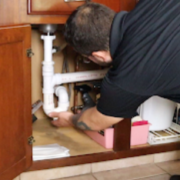
Don’t be surprised to see your inspector climbing on the roof or crawling around in the attic and on the floors. The job of the inspector is to protect your investment and find any issues with the home, including but not limited to: the roof, plumbing, electrical components, appliances, heating and air conditioning systems, ventilation, windows, fireplace and chimney, foundation, and so much more.

Other Reasons to Get a Home Inspection

Home inspections are a must when buying or selling a house. However, there are plenty of reasons to hire a qualified home inspector, even if you aren’t planning on buying or selling soon. Maybe you want the peace of mind knowing that all systems are working as they should, or simply that the major rainstorm last month didn’t cause any hidden leaks.

Many experts recommend having your home professionally inspected every two to five years. Here are six money-saving reasons why this is a good idea:

  • Catch Potential Problems Early
  • Get an Honest Evaluation of Your Home
  • Let a Professional Look Everywhere You Don’t Want To
  • Perform a Radon Detection Test
  • Thwart Potential Mold Growth
  • Check Electrical Systems

Bottom Line

They say, ‘ignorance is bliss,’ but not when investing your hard-earned money into a home of your own, or wanting to keep your current home in tip top condition. Completing a home inspection is a vital part of your homeownership journey, so be sure to choose a professional that will give you a thorough and complete picture of the condition of the house.

Working with a professional you can trust like CMS Home Inspection will give you the most information possible, so you can make the most educated decision about your purchase. Our business is built on trust, integrity and ensuring you have the information you need about one of the largest investments you’ll make.

Ultimately, a thorough home inspection depends heavily on experience and attention to detail. With CMS Home Inspection, you are getting a Certified and Licensed Inspector who understands the commitment you are about to make. When you hire us to inspect your new home, we guarantee that we will take the same care as if it was our own home.

CMS Home Inspection is committed to serving you, our customer. Choosing the right home inspector can help ease your stress and give you peace of mind. We will help you make sure your investment is secure. Let’s connect if you have questions or want to schedule a home inspection.

March 5, 2026/0 Comments/by cmshome
https://www.cmshomeinspection.com/wp-content/uploads/sites/17/2026/03/What-to-Expect-from-Your-Home-Inspection.png 423 1200 cmshome https://d1g9724afgpznt.cloudfront.net/wp-content/uploads/sites/17/2020/05/04205003/cmshome-252x300.png cmshome2026-03-05 13:07:382026-03-05 13:07:38What to Expect from Your Home Inspection

Pages

  • About
  • Contact
  • For Agents
  • Mold Testing
  • Pest Inspections
  • Pricing
  • Radon Testing
  • Rhode Island Residential Home Inspections
  • Septic Inspections
  • Sewer Scope Inspections
  • Well Inspections
  • Your Inspection
  • Your Report

Categories

  • appraisal
  • home buying
  • home inspection
  • home maintenance
  • Homeowner Info
  • Massachusetts
  • pest inspections
  • real estate
  • Rhode Island

Archive

  • March 2026

Make an Informed Decision for Your Future

Schedule Online

Contact Us

Phone: 401-830-0966
Email: info@cmshomeinspection.com

Serving Rhode Island and Surrounding Areas

CMS Home Inspection provides inspections throughout all of Rhode Island, Bristol, Plymouth, Norfolk, and Worcester areas of Massachusetts, and Eastern Connecticut.

Licensed Inspector

RI License #44163

MA License #1111

CT License #HOI.0001081

NACHI #19091235

Radon Testing Business Lic # RTB00124

Radon Analytical Service CRM Lic # CRM00051

Radon Inspector Lic # RI00199

Rhode Island Septic Inspector # 092002.

© Copyright - CMS Home Inspection | Website by Spectora Hosting
  • Link to Google
  • Link to Facebook
Scroll to top Scroll to top Scroll to top